
Menu
Our Services
Outdoor Living
Roofline & Water
Walls & Envelope
Menu
Our Services
Outdoor Living
Roofline & Water
Walls & Envelope
At Wrap4Car, we use premium materials for every project. Choose from a variety of finishes and styles to create a beautiful, long-lasting look for your vehicle.
With decades of expertise serving Boston and surrounding areas, Wrap4Car delivers skilled vehicle wrapping services with precision and care.
Your happiness is our ultimate standard. We treat every vehicle transformation with the utmost care and dedication, ensuring a flawless finish and a worry-free experience because your vision is our top priority.
Paragon
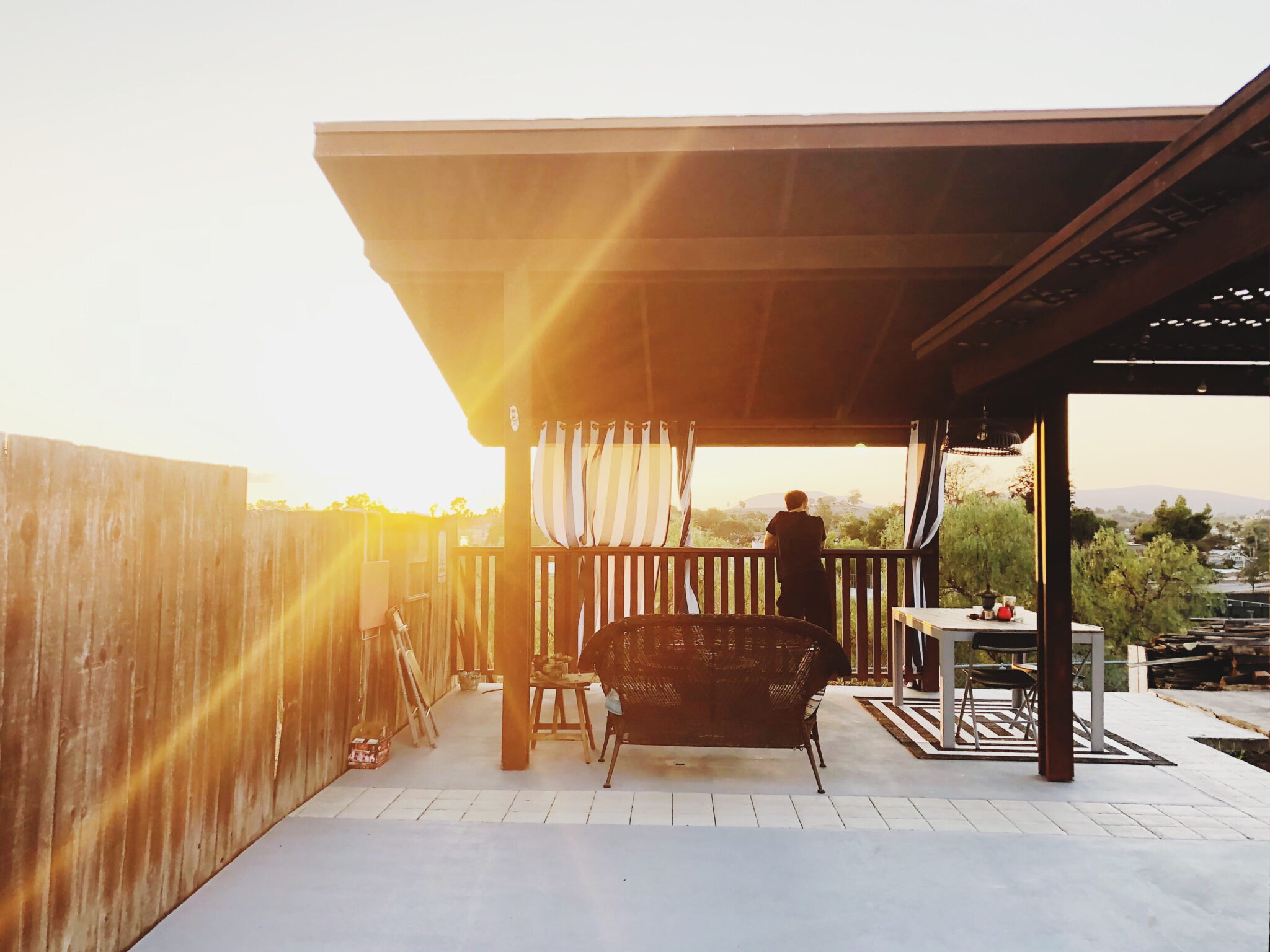
Once the outer layer breaks down, moisture seeps behind the panels and into the wall assembly. Left unchecked, that hidden damage becomes costly and repairs extend beyond just the work.
New siding installation is an effective way to enhance your home’s curb appeal and increase its resale value. Updating an older style, adding insulation, or achieving a clean, consistent look can make a significant difference in this area.
We’re eager to chat! Drop us a line for all your exterior needs.
Visit Us
Call Us
Email Us
Working Hours
Let us know how we can assist you! Fill out the form, and we’ll respond within 24 hours.
| West Bay Siding Installation Siding Material Type | Economy Prices | Mid-Range Prices | Premium Prices | Ultra Premium Prices |
|---|---|---|---|---|
| Board and Batten Siding | CAD 4 – CAD 6 | CAD 5 – CAD 8 | CAD 8 – CAD 13 | CAD 10 – CAD 14 |
| Vinyl Siding | CAD 5 – CAD 7 | CAD 6 – CAD 9 | CAD 8 – CAD 11 | CAD 9 – CAD 14 |
| Cedar Siding | CAD 11 – CAD 13 | CAD 12 – CAD 16 | CAD 13 – CAD 18 | CAD 15 – CAD 20 |
| Longboard Siding | CAD 15 – CAD 20 | CAD 18 – CAD 25 | CAD 25 – CAD 40 | CAD 40 – CAD 42 |
| AL-13 Architectural Panels | CAD 14 – CAD 18 | CAD 16 – CAD 22 | CAD 22 – CAD 38 | CAD 38 – CAD 43 |
Benefits of Quality Siding
The blistering and peeling you see isn’t just a cosmetic issue—moisture is getting into the wall assembly. A well-installed exterior cladding system stops this problem by creating a drainage plane and a weather-resistant barrier that sheds water before it can soak in. Once we remove the old, failing material, our team rebuilds the envelope from the sheathing outward so every layer works together to keep the framing dry.
The process starts with a heavy-gauge rainscreen detail and a high-performance housewrap. This setup allows any moisture to escape instead of trapping it against the wood. Then the new siding—whether it’s fiber cement, engineered wood, or thick-gauge vinyl—locks together tightly and withstands coastal weather. More homeowners in West Bay are choosing durable siding installation in Vancouver that won’t buckle under sudden temperature changes or heavy rain, and the difference is clear after the first rainy season.
West Bay is right at the edge of Burrard Inlet, where homes face strong northerly storms from the mountains. This exposure means exterior surfaces get wet and dry more often than homes further inland, and standard builder-grade siding isn’t made for this kind of climate. Even a few seasons of salt mist can corrode fasteners and cause discoloration that spreads quickly across the whole elevation.
Homes here are often larger with complex rooflines and multiple gable ends, so wind-driven rain can find entry points that simpler designs would ignore. A West Bay home also tends to have large windows and deck structures that connect to the siding, meaning every flashing transition must be detailed carefully to keep the envelope continuous from fascia to foundation. When these details are done right, the exterior remains sound through storm season after storm season.
Siding Fastener and Drainage Specs
In West Bay, the salty air needs 316-grade stainless steel fasteners for siding. Regular galvanized nails or screws will rust in a few seasons, causing dark streaks on the siding. Each fastener is driven through the siding with proper depth into the framing. We use ring-shank nails or corrosion-resistant screws because they resist pulling out during windstorms.
Behind the siding, a 3/8-inch vertical strapping system creates a space for air to flow and moisture to drain. This space is vented at the top and bottom of each wall section to promote airflow. Any water that gets through the siding dries quickly instead of sitting against the sheathing. The bottom edge of each siding course is beveled to direct water away from the joint below.
Flashing details at window heads, deck ledgers, and wall-roof intersections are very important. We use custom-bent aluminum head flashings with end dams and backflashings tucked behind the housewrap. This setup stops water from being pushed sideways into the wall. At vertical butt joints, we place a small piece of metal flashing behind each seam to block wind-driven rain from reaching the sheathing.
The building envelope in West Bay must handle strong wind pressure that can push rain through small gaps. A pressure-equalized rainscreen design uses a ventilated air space behind the siding to balance pressure differences. This design stops water from being sucked inside. It uses vertical and horizontal blocking to create small pressure zones around each cladding panel, which helps prevent bulk water movement.
The water-resistive barrier behind the strapping is layered like shingles to shed water. The drainage gap ensures any moisture that gets past the siding does not touch the sheathing. At corners and window openings, flexible flashing tape and liquid-applied transitions connect the WRB to window flanges, keeping a continuous drainage plane.
Fastening patterns are adjusted for strong northerly winds: siding nails are placed at each stud crossing according to manufacturer instructions for high-wind areas, and ring-shank fasteners improve resistance to pulling out. This combination of pressure management and strong mechanical attachment keeps the siding secure even when storm winds hit the inlet-facing sides.
Siding Installation Regulations
For siding installation, the District of West Vancouver’s Noise Control Bylaw No. 4404, 2005 limits construction noise to Monday to Friday from 7:30 a.m. to 5:30 p.m. and Saturday from 8:00 a.m. to 5:00 p.m. No work is allowed on Sundays or statutory holidays. Contractors must schedule all noisy exterior work, like using power tools, within these hours unless they get an exemption.
Routine siding replacement on a West Bay home usually does not need a building permit, as long as the work does not change the building’s structure or form. However, if your project includes altering openings, changing the building form, or other major exterior changes, a permit may be required. It is important to confirm the scope with the District of West Vancouver’s Building and Development department before starting work.
Changes to the building exterior, including siding, are regulated by the District of West Vancouver. While routine siding replacement may not need permits, larger alterations related to siding projects must follow municipal building regulations and permit processes.
We worked on a school in West Bay that had old siding. The siding was letting in drafts and moisture, which worried the staff about potential rot. We replaced the old siding with new, strong materials that improved insulation and protected against the weather. We also planned the work around their daily schedule to keep the site safe and usable. The result was a solid, weather-resistant exterior that stopped the leaks and let the staff focus on their students instead of building repairs.
Local Siding Installation Support
We install siding in West Bay as part of our daily work. We can reach your home easily via the Lions Gate Bridge, usually in about 20 to 30 minutes. Our route takes us through Downtown Vancouver and Stanley Park. For materials, we often buy from local stores like Simpson Home Hardware and The Home Depot. This helps us support businesses in West Vancouver.
If your siding in West Bay is blistering from salt air and storms, we can replace it with a moisture-resistant system. This system includes a rainscreen, housewrap, and strong cladding like fiber cement or thick-gauge vinyl. Our installations use 316-grade stainless fasteners, pressure-equalized drainage, and custom flashings to handle the area’s northerly winds and wet-dry cycles. We work during West Vancouver’s noise bylaw hours: Monday to Friday from 7:30 a.m. to 5:30 p.m. and Saturday from 8 a.m. to 5 p.m. Routine siding replacement usually doesn’t need a permit. Prices range from about CAD 4 to over CAD 40 per square foot, depending on the material and insulation level. We are based nearby and can reach West Bay homes quickly.
Find answers to common questions about our services, process, and craftsmanship.