
Menu
Our Services
Outdoor Living
Roofline & Water
Walls & Envelope
Menu
Our Services
Outdoor Living
Roofline & Water
Walls & Envelope
At Wrap4Car, we use premium materials for every project. Choose from a variety of finishes and styles to create a beautiful, long-lasting look for your vehicle.
With decades of expertise serving Boston and surrounding areas, Wrap4Car delivers skilled vehicle wrapping services with precision and care.
Your happiness is our ultimate standard. We treat every vehicle transformation with the utmost care and dedication, ensuring a flawless finish and a worry-free experience because your vision is our top priority.
Paragon
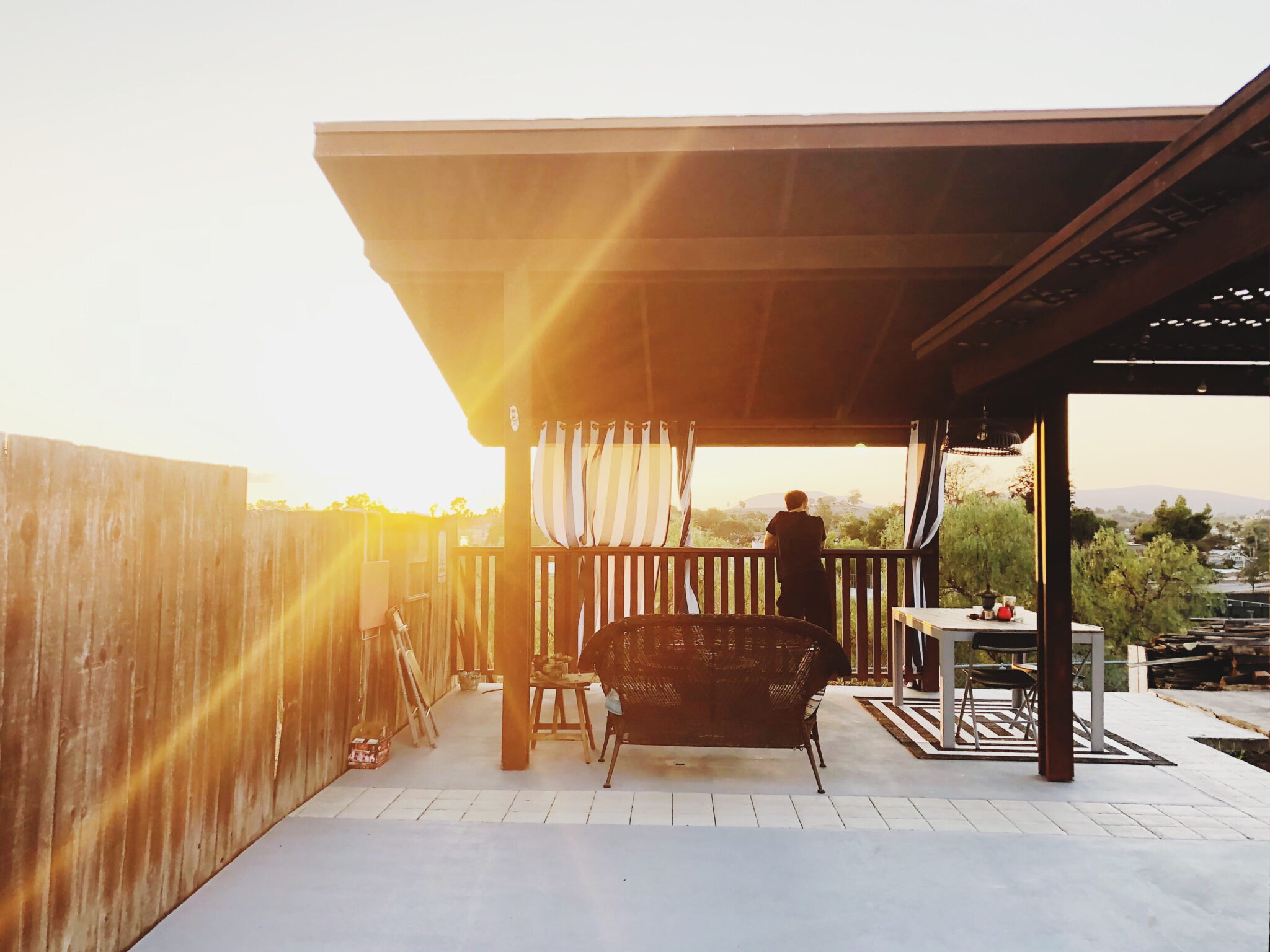
By the time boards feel spongy, moisture has often reached the framing below. That hidden damage turns a small repair into a full rebuild. Composite decking resists moisture and prevents costly decay.
A low-maintenance surface changes how you use a compact outdoor area. Bare feet, pets, and furniture stay clean on a level finish. In this area, every usable inch of a small deck counts.
We’re eager to chat! Drop us a line for all your exterior needs.
Visit Us
Call Us
Email Us
Working Hours
Let us know how we can assist you! Fill out the form, and we’ll respond within 24 hours.
| Composite Decking West End Deck Board Material Grade | Composite Deck Railings Price | Deck Railing Requirement Price | Composite Railing Style Price | Deck Railing Stairs Price |
|---|---|---|---|---|
| Composite And PVC Decking | CAD 40 – CAD 70 | CAD 60 – CAD 100 | CAD 60 – CAD 100 | CAD 60 – CAD 100 |
| Brand Name Composite Decking | CAD 60 – CAD 110 | CAD 60 – CAD 130 | CAD 60 – CAD 130 | CAD 60 – CAD 130 |
| Standard Grade Composite Decking | CAD 40 – CAD 70 | CAD 60 – CAD 110 | CAD 60 – CAD 110 | CAD 60 – CAD 110 |
| Basic Capped Composite Decking | CAD 40 – CAD 60 | CAD 60 – CAD 90 | CAD 60 – CAD 90 | CAD 60 – CAD 90 |
| Mid Spec Capped Decking | CAD 50 – CAD 80 | CAD 60 – CAD 110 | CAD 60 – CAD 110 | CAD 60 – CAD 110 |
Durable Decking Solutions
Wood decks in Vancouver struggle against moisture and UV rays. Splintered boards and hidden rot are not just ugly; they can also be dangerous for your family. Our composite decking ends the cycle of constant repairs with a strong, fade-resistant surface that looks good without needing annual sanding or staining.
We take out every bit of your old, worn-out wood and install high-quality boards with a hidden fastening system. This creates a smooth, even surface that drains moisture well and feels secure underfoot. More homeowners choose composite decking in Vancouver because the capped polymers resist rain and mildew without warping or cracking.
West End homes face a tough mix of ocean humidity, heavy seasonal rain, and hot summer sun that speeds up wood deck decay faster than in other areas. A deck here must handle constant moisture while staying cool and safe during a hot afternoon by the Strait of Georgia.
Our composite boards have a dense, non-porous core and a textured grain finish that won’t soak up water or cup at the edges. We’ve replaced many peeling, soft decks across the West End where being close to the Fraser and coastal fog made traditional wood a constant problem.
Decking Materials and Installation
We begin every deck replacement in West End with pressure-treated framing. We also use a self-adhered butyl joist tape that covers the top of each joist, beam, and ledger. This tape helps prevent water from entering fastener holes and end cuts. This is especially important due to the Fraser River’s damp conditions.
After the tape sets, we install capped composite boards with a dense core that does not absorb moisture. Hidden fasteners secure each board from the side, leaving no holes for water to gather. We follow the manufacturer’s gap schedule to allow the decking to expand and contract with West End’s temperature changes without buckling.
A deck in West End works like a rainscreen system. The composite decking serves as a ventilated cladding, with narrow gaps between boards allowing rainwater to drain onto a sloped waterproofing layer below. We slope the substructure away from the house to prevent water from pooling against the ledger.
At the house connection, a continuous metal flashing fits behind the siding’s drainage plane and overlaps the ledger, directing moisture outward. This detail helps prevent rot in the rim joist, which is a common failure point in Vancouver’s rainy climate. Underneath, open sides allow air to flow and dry the framing, keeping the entire assembly dry even after weeks of West End rain.
Because composite materials expand and contract with temperature, we install rail posts through the decking into blocked framing. We do not rely on the board alone for structural support. This keeps the entire deck strong and safe to walk on, no matter the season.
Composite Decking Regulations
In the West End, the City of Vancouver’s Zoning and Development By-law No. 3575 limits guardrail heights for composite decks to about 1.07 m (42 in) above the walking surface. This rule affects how deck guards and railing systems are designed.
A building permit from the City of Vancouver is usually needed for residential composite decks if the deck surface is more than about 600 mm (24 in) above grade, is attached to the house, exceeds roughly 10 m² (108 sq ft), or has a roof. Ground-level, freestanding composite platforms below these limits may not need a permit but must still follow zoning setbacks and lot coverage rules.
Construction of composite decking in the West End must follow Vancouver’s noise rules. These rules limit noisy work like cutting and fastening deck materials to daytime hours on weekdays and restrict such work during late evenings, overnight, and on certain weekends or holidays.
We recently finished a project at a school in West End. The school had old wood decks that were splintering and unsafe. We replaced them with strong composite decking in phases, working around their daily schedule. This way, the campus remained functional. Now, students and staff have safe, low-maintenance outdoor spaces that can handle heavy use and coastal moisture.
Local Decking Projects
Composite decking projects in West End are a regular part of our work, not an extra trip. We typically reach the neighborhood in about 5 to 10 minutes via Burrard Street, passing places like Gastown along the way. While we are there, we help the local community by getting supplies from hardware stores like The Little Hardware & Locksmith and West End Paint & Hardware.
We take out old wood decks in West End and put in Composite Decking that resists moisture and is safe. Our method uses pressure-treated framing, butyl joist tape, and capped boards with hidden fasteners for a smooth, low-maintenance surface. The City of Vancouver needs a building permit for decks over 600 mm high or larger than 10 m², and guardrails must be about 1.07 m tall. Basic capped composite decking starts at around CAD 40 to 60, while brand-name options cost CAD 60 to 110. We usually get to West End in 5 to 10 minutes.
Find answers to common questions about our services, process, and craftsmanship.