At Wrap4Car, we use premium materials for every project. Choose from a variety of finishes and styles to create a beautiful, long-lasting look for your vehicle.
With decades of expertise serving Boston and surrounding areas, Wrap4Car delivers skilled vehicle wrapping services with precision and care.
Your happiness is our ultimate standard. We treat every vehicle transformation with the utmost care and dedication, ensuring a flawless finish and a worry-free experience because your vision is our top priority.
Paragon
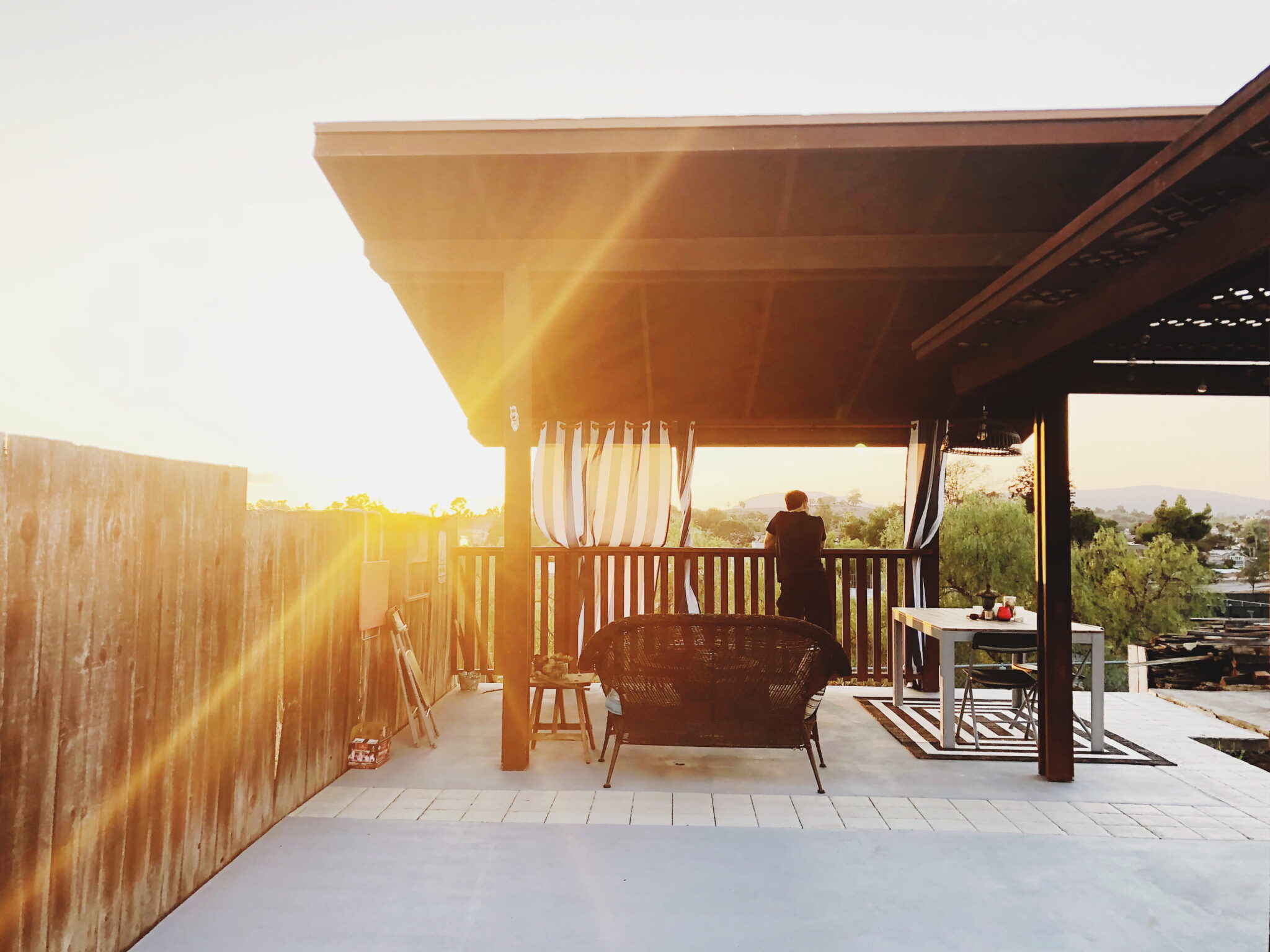
That constant battle with moisture means the wood never truly dries out, quietly rotting from the bottom up. You might wonder if the frame underneath is sound. The real cost isn’t just your weekends; it’s the structural damage you can’t see.
Many homeowners are tired of the look of a grey platform dominating their backyard. This project opens up modern design options that paint and stain can’t offer. It creates an outdoor space that perfectly matches the home’s exterior.
We’re eager to chat! Drop us a line for all your exterior needs.
Visit Us
Call Us
Email Us
Working Hours
Let us know how we can assist you! Fill out the form, and we’ll respond within 24 hours.
| Composite Decking West Vancouver Board Tier | Pressure Treated Wood Framing Prices | Galvanized Steel Deck Framing Prices | Structural Aluminum Deck Framing Prices |
|---|---|---|---|
| Composite Decking | CAD 60 – CAD 100 | CAD 70 – CAD 110 | CAD 80 – CAD 130 |
| Entry-Level Composites | CAD 50 – CAD 80 | CAD 70 – CAD 90 | CAD 80 – CAD 110 |
| Mid-Range Composites | CAD 70 – CAD 100 | CAD 80 – CAD 110 | CAD 90 – CAD 130 |
| Premium Composites | CAD 80 – CAD 110 | CAD 90 – CAD 120 | CAD 110 – CAD 150 |
Eliminate Seasonal Maintenance
Wood decks in rainy areas need yearly scraping, staining, and repairs. Moss and moisture can rot the boards, making them slippery and unattractive. Composite decking fixes this issue.
The boards resist moisture and never need sanding or sealing. A quick wash keeps them looking fresh. Composite decking in Vancouver offers a slip-resistant, fade-resistant surface that lasts for many years.
West Vancouver’s coastal climate creates damp, mossy conditions almost all year. Wood decks here often stay wet, leading to faster rot and more upkeep.
Composite decking handles the moisture that affects wooden decks in this area. It won’t warp, crack, or grow mold. For West Vancouver homeowners, this means a safer, cleaner outdoor space without constant maintenance.
Composite Decking Installation
In West Vancouver, we start composite decking installation with a pressure-treated wood frame. This frame is made for ground contact. We space the joists at 12 inches apart instead of 16 inches. This helps reduce bounce since composite material bends more than wood when weight is applied. We cover each framing member with joist tape to stop moisture from getting between the metal fastener and the wood.
We use hidden fasteners or plug systems with color-matched screws to hold the boards in place. This keeps the gaps between the boards even for thermal expansion. For raised decks, we often add a dry-below under-deck drainage system. This keeps the area below dry and usable during the long rainy season.
The composite boards have a polymer shell on three or four sides. This shell resists stains and fading. Boards with a light wire-brush grain or embossed pattern work best in West Vancouver, where shade and dampness can make smooth boards slippery. The shell also stops moisture from being absorbed, which could lead to swelling or mold in this coastal area.
A deck in West Vancouver can trap water against the house if not built correctly. The way we attach the ledger board to the rim joist is very important. We install continuous Z-flashing above the ledger, tucked behind the siding’s weather barrier. This directs water away and prevents rot at the connection.
Good ventilation under the deck is crucial in this coastal climate. We ensure there is a minimum air gap between the ground and the frame, along with open sides. This allows air to flow and dry out the joists. For ground-level decks, we place a heavy vapor barrier over the soil to reduce rising humidity that keeps the underside damp.
Composite boards act as a rain-screen layer. The gaps in the installation let water drain through the deck surface, reducing hydrostatic pressure. When pitched away from the house, the whole setup quickly sheds bulk water, leaving only a thin film that coastal breezes dry off before moss can grow.
Bylaws for Composite Decking
The District of West Vancouver’s Zoning Bylaw No. 4662 includes three sections relevant to composite decking. Section 120 exempts decks or patios that are no taller than 0.6 metres above the higher of natural or finished grade from height calculations. A deck higher than 0.6 metres is treated as a building structure and must follow zoning regulations like setbacks and site coverage. Section 130 provides minimum yard and waterfront setback requirements for residential zones. These can limit how far a deck can extend and its overall size.
The District’s Residents’ Guide states that exterior construction work, such as installing or significantly changing a composite deck, usually requires homeowners or contractors to contact the Permits & Inspections department. This is to confirm if a building permit is needed, ensure compliance with zoning and building codes, and schedule any required inspections before and after construction.

