
Menu
Our Services
Outdoor Living
Roofline & Water
Walls & Envelope
Menu
Our Services
Outdoor Living
Roofline & Water
Walls & Envelope
At Wrap4Car, we use premium materials for every project. Choose from a variety of finishes and styles to create a beautiful, long-lasting look for your vehicle.
With decades of expertise serving Boston and surrounding areas, Wrap4Car delivers skilled vehicle wrapping services with precision and care.
Your happiness is our ultimate standard. We treat every vehicle transformation with the utmost care and dedication, ensuring a flawless finish and a worry-free experience because your vision is our top priority.
Paragon
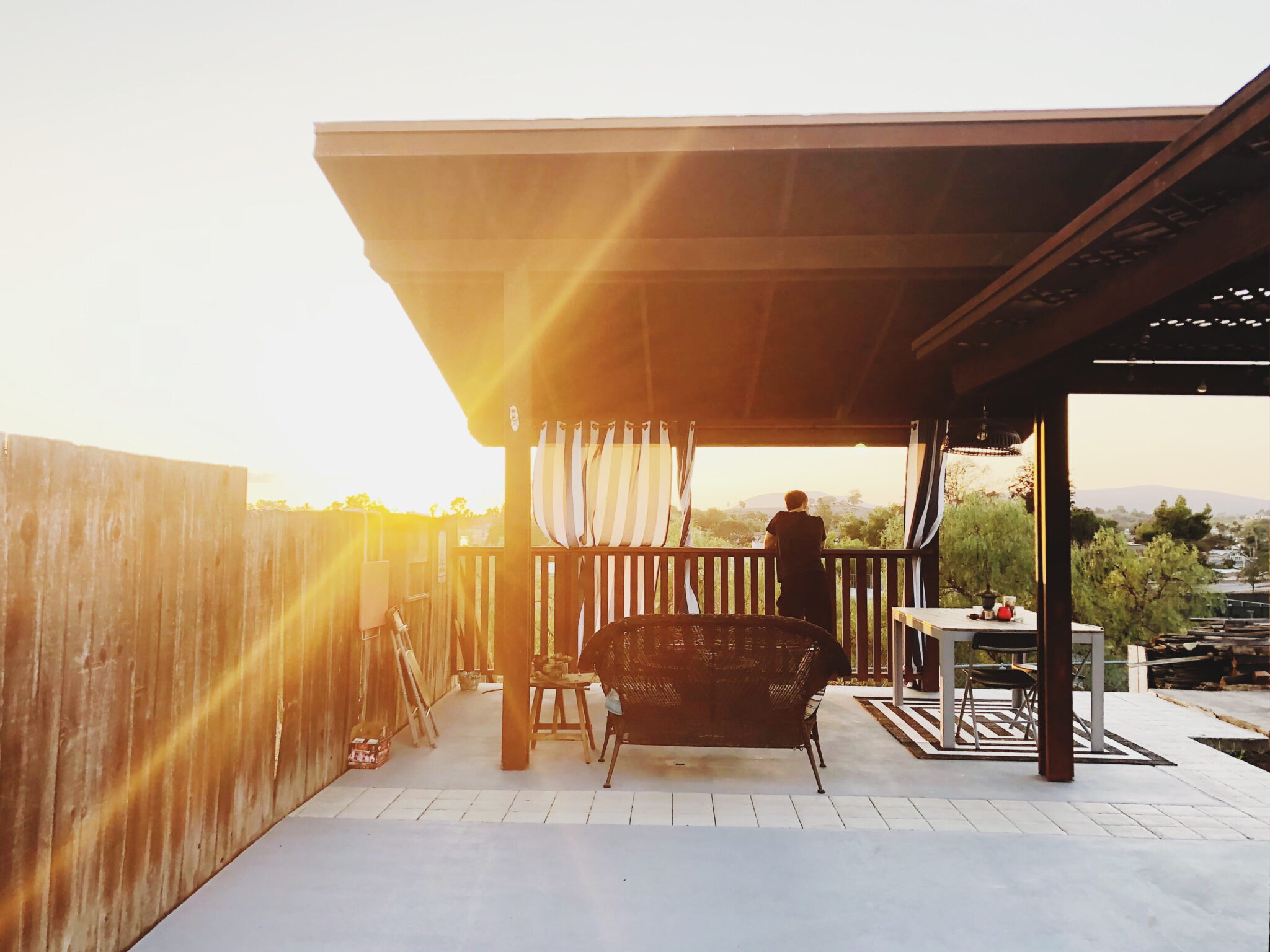
After a wet winter, wood decks often need hours of sanding and resealing just to look presentable. That cycle repeats every year, and the costs add up quickly. Composite decking eliminates this hassle, staying smooth and splinter-free without the seasonal grind.
This material also offers design flexibility to match the modern architecture in the neighborhood. Hidden fasteners create a smooth surface, and the color won’t fade after intense sun. It maintains its sharp finish with minimal effort.
We’re eager to chat! Drop us a line for all your exterior needs.
Visit Us
Call Us
Email Us
Working Hours
Let us know how we can assist you! Fill out the form, and we’ll respond within 24 hours.
| Downtown Vancouver Composite Decking Board Grade | Reusable Substructure Composite Decking Price | Complete Build Composite Decking Price | Framing Height Composite Decking Price | Foundation Type Composite Decking Price |
|---|---|---|---|---|
| Standard Composite Decking | CAD 25,000 – CAD 55,000 | CAD 25,000 – CAD 55,000 | CAD 25,000 – CAD 55,000 | CAD 25,000 – CAD 55,000 |
| Name Brand Composite Decking | CAD 35,000 – CAD 75,000 | CAD 35,000 – CAD 75,000 | CAD 35,000 – CAD 75,000 | CAD 35,000 – CAD 75,000 |
| Premium Composite Decking | CAD 60,000 – CAD 140,000 | CAD 60,000 – CAD 140,000 | CAD 60,000 – CAD 140,000 | CAD 60,000 – CAD 140,000 |
| Budget Composite Decking | CAD 8,000 – CAD 18,000 | CAD 8,000 – CAD 18,000 | CAD 8,000 – CAD 18,000 | CAD 8,000 – CAD 18,000 |
| Mid Range Composite Decking | CAD 15,000 – CAD 35,000 | CAD 15,000 – CAD 35,000 | CAD 15,000 – CAD 35,000 | CAD 15,000 – CAD 35,000 |
Durable Decks for Rainy Seasons
Composite decking ends the need for yearly sanding, staining, and replacing rotten boards. Unlike wood that absorbs moisture and splits, composite decking offers a strong, engineered surface that resists damage during the wettest seasons.
This solution comes from the material itself. It is a mix of recycled wood fibers and polymers, topped with a tough outer shell. This shell keeps water from reaching the core, so the boards stay flat and splinter-free. Our teams install composite decking in Vancouver using hidden fasteners and proper spacing, allowing the whole system to breathe and drain well.
Decks in Downtown Vancouver face two main issues: constant rain and damp, salty air from the harbour. Wood cannot hold up in these conditions—it swells, cups, and gets slick with mildew faster than in most other parts of the city.
High-density housing and small lots around Downtown Vancouver mean many decks sit on concrete patios or high terraces with little airflow underneath. Composite boards, along with a well-ventilated substructure, solve this problem, staying dry and stable even when built close to a tower wall.
Capped Composite Boards Installation
In Downtown Vancouver, many decks are built on concrete patios or raised terraces where airflow is limited. We use grooved-edge capped composite boards installed with hidden clips. The cap layer resists rain and salt air better than uncapped boards, while the core stays stable during wet winters. For shaded terraces that hold moisture, an all-polymer board is better because it has no wood fiber to swell.
Substructure detailing is very important in Downtown Vancouver. On concrete slab decks, we use adjustable pedestals or pressure-treated sleepers to create slope and keep framing out of standing water. We cover every joist edge with flashing tape before clipping boards. We also leave a consistent gap at walls, parapets, and butt joints to allow for board movement without buckling.
On tighter tower-balcony decks, we picture-frame the field with square-edge boards and extend fascia down the rim to shed water effectively. We use stainless or polymer-coated fasteners and hangers wherever hardware contacts the deck, as the harbour air quickly corrodes standard hardware. End cuts are sealed or hidden under a fascia board to stop moisture from wicking into the core.
Any deck attached to a Downtown Vancouver building must treat the connection as part of the exterior. A continuous drainage plane behind the ledger and flashing above it stops wind-driven rain from reaching the wall sheathing. Because of the frequent wetting from the harbour side, the ledger is shimmed slightly off the wall and sealed to let water drain behind it.
For water on the deck surface, the system relies on gaps between boards and open drainage below. We do not treat the deck as a waterproof skin. Composite boards act as a walking surface, not a waterproof membrane, so the substructure must slope to direct water to an open edge or scupper. At the wall, a drip flashing directs runoff away from the band joist and cladding, preventing moisture from trapping against the building.
Wind and moisture affect fastener choices and connection layout along exposed terraces. Clips placed at every joist crossing help share the load across the field. Board-to-board spacing allows for wet-season expansion without bowing at fixed parapets. Guardrail posts are blocked and through-bolted to the framing behind the deck, ensuring railing loads transfer into the structure instead of relying solely on composite boards.
Composite Decking Regulations
For composite decking work in Downtown Vancouver, the City’s Noise Control By-law allows construction noise on private property Monday to Friday from 7:30 a.m. to 8:00 p.m. and Saturday from 10:00 a.m. to 8:00 p.m. No construction noise is allowed on Sundays or holidays unless a noise by-law exception permit is obtained. This affects when Paragon Exteriors can use power tools and other noisy equipment while building or replacing composite decks.
The City’s Zoning and Development By-law defines a deck as a platform that provides usable outdoor space, projects from a building, is generally supported on posts, has a surface height greater than 600 mm above grade, and is not enclosed except for required guards. This definition is used to regulate composite decks for zoning purposes, so projects in Downtown Vancouver that meet this definition must follow the zoning rules for decks on the property’s district schedule.
Practical guidance based on the BC Building Code says that residential decks need guards (railings) with a minimum height of 915 mm (36 in) when the walking surface is less than about 1.8 m above adjacent grade, and 1,070 mm (42 in) when the deck surface is higher than 1.8 m above grade. Composite decking installations in Downtown Vancouver that are elevated beyond these heights must include code-compliant guardrails, which affects the design and construction details for Paragon Exteriors’ composite deck projects.
Imagine a project at a school in Downtown Vancouver where the old wood decks had become slippery and unsafe for students and staff. We replaced the entire decking with composite materials, planning our work to avoid disrupting classes and pick-ups. By using capped composite boards with built-in drainage, we removed the splintering and slick surfaces that caused concern during rainy seasons. Now, the community enjoys safe, low-maintenance outdoor areas that resist winter moisture without needing constant repairs.
Local Decking Solutions
We provide composite decking in Downtown Vancouver. We can reach your location in about 5 to 10 minutes using Water Street. We pass by landmarks like Gastown on our way. Instead of bringing materials from far away, we shop at local stores like Source Enterprises Ltd and Dunbar Lumber. This helps support the neighborhood.
Composite decking eliminates the need for yearly sanding and sealing. It stays smooth and splinter-free during wet winters. We install capped composite boards with hidden fasteners and ensure proper ventilation. We use all-polymer boards for shaded terraces and stainless hardware to resist corrosion from the harbour. Downtown Vancouver’s rain and salty air can swell wood and promote mildew. Tight lots often mean decks are built on concrete patios with poor airflow, so we use ventilated substructures with pedestals and flashing. Noise bylaws limit work hours, and decks over 600 mm require guardrails at 915 mm or 1,070 mm. Costs range from $8,000 to $140,000, and we can reach you quickly.
Find answers to common questions about our services, process, and craftsmanship.