
Menu
Our Services
Outdoor Living
Roofline & Water
Walls & Envelope
Menu
Our Services
Outdoor Living
Roofline & Water
Walls & Envelope
At Wrap4Car, we use premium materials for every project. Choose from a variety of finishes and styles to create a beautiful, long-lasting look for your vehicle.
With decades of expertise serving Boston and surrounding areas, Wrap4Car delivers skilled vehicle wrapping services with precision and care.
Your happiness is our ultimate standard. We treat every vehicle transformation with the utmost care and dedication, ensuring a flawless finish and a worry-free experience because your vision is our top priority.
Paragon
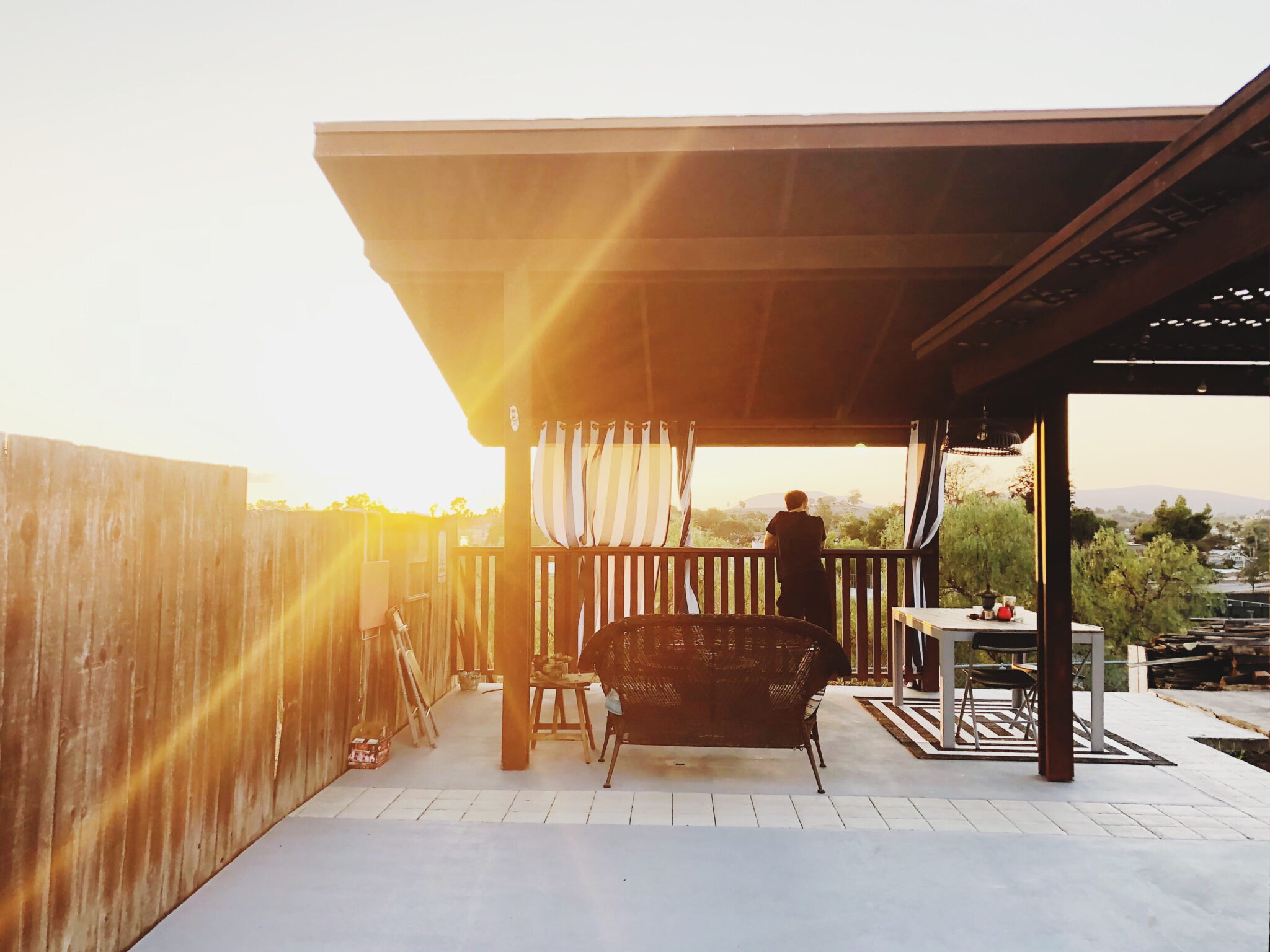
In North Vancouver, warped siding allows moisture to penetrate, causing hidden rot or mold. This risk is constant in our wet climate.
Thick insulation not only reduces noise from rain but also improves warmth, keeping your home comfortable during the damp chill.
We’re eager to chat! Drop us a line for all your exterior needs.
Visit Us
Call Us
Email Us
Working Hours
Let us know how we can assist you! Fill out the form, and we’ll respond within 24 hours.
| Vinyl Siding North Vancouver Profile and Grade | Standard Weather Barrier Prices | Insulation and Weather Barrier Prices | Continuous Rigid Insulation Prices |
|---|---|---|---|
| Economy Prices | CAD 4,400 – CAD 7,700 | CAD 5,300 – CAD 9,300 | CAD 6,200 – CAD 10,900 |
| Mid-Range Prices | CAD 7,700 – CAD 13,200 | CAD 8,500 – CAD 14,600 | CAD 9,300 – CAD 16,100 |
| Premium Prices | CAD 13,200 – CAD 27,500 | CAD 14,500 – CAD 30,300 | CAD 15,900 – CAD 33,100 |
| Architectural Grade Prices | CAD 15,000 – CAD 31,000 | CAD 16,500 – CAD 34,200 | CAD 18,000 – CAD 37,400 |
Protection from moisture damage
The warping and fading you see is moisture getting behind the siding. Our insulated vinyl panels fit together tighter than standard lap siding. They shed rain before it can soak into your sheathing. The color runs all the way through the material, so scratches and sun exposure won’t leave chalky white streaks later on.
The fix is in the mounting system and the insulation backing. We fasten each panel with the right gap it needs to expand and contract with temperature changes. Then we back it with rigid foam that seals the wall against drafts. This means you get a quieter home, lower heating bills, and siding that stays flat and true through decades of coastal weather. Homeowners looking for durable vinyl siding in Vancouver choose this option because it stops the moisture cycle that damages cheaper installations.
North Vancouver homes face heavy rain rolling off the mountains and steep lots that funnel water straight at foundation walls. Siding here has to handle more runoff than almost anywhere else in the region. When it fails, the damage spreads quickly. Wet sheathing invites rot, and rot on a hillside home can get expensive fast.
Many homes here are split-levels and ranchers built between the 1960s and 1980s, often still covered with their original wood or aluminum cladding. Those materials swell, dent, and corrode under constant dampness. Replacing them with thick-gauge vinyl gives North Vancouver homeowners a low-maintenance exterior that manages moisture without needing annual scraping and repainting.
Vinyl siding installation details
Thicker commercial-grade panels in the .044 to .048-inch range hold their shape better through North Vancouver’s damp, cool winters than thinner economy profiles. We use a blind-nailing method with a minimum 1-1/4-inch fastener penetration into solid studs, leaving each nail head a millimeter off the nailing flange so the panel can move. Without that movement allowance, long runs on a split-level or rancher will buckle at the joints during the first temperature change.
For North Vancouver lots with heavy tree cover and constant shade, we use panels with a high titanium-dioxide content in the capstock. This helps resist the mildew and algae staining common on the north-facing sides of hillside homes. The foam backing we install behind the vinyl is a closed-cell insulation that fits the panel profile, providing a continuous thermal break without trapping moisture against the sheathing.
Accessory trim helps manage water runoff. We flash every outside corner, window opening, and utility penetration with formed aluminum before the vinyl trim goes on. The starter strip at the bottom gets a bed of sealant along its back edge, and J-channel around windows receives drip-cap flashing above it. These details are important for managing the runoff volume from a North Vancouver roofline.
Proper installation of vinyl siding in North Vancouver is key for long-term performance. The siding must integrate well with the building to manage moisture effectively, preventing water intrusion that can cause structural damage. Fastening techniques, like the blind-nailing method, allow for thermal expansion and contraction, reducing the risk of buckling and warping during seasonal temperature changes. Using high-quality materials, such as aluminum flashing and closed-cell insulation, improves the durability of the installation, ensuring it withstands the region’s wet climate while maintaining energy efficiency.
North Vancouver Siding Bylaws
Installing or replacing vinyl siding in the City of North Vancouver needs a building permit under the Construction Regulation Bylaw, 2003, No. 7390. This bylaw covers all exterior remodeling work. It must follow building regulations and be done under the right permit when the work meets permit thresholds.
The Noise Control Bylaw limits construction activity, including siding installation, to 7:00 a.m. to 8:00 p.m. from Monday to Friday and 9:00 a.m. to 5:00 p.m. on Saturdays. Work is not allowed on Sundays and statutory holidays. For larger projects worth over $50,000, a Noise Control Construction sign must be displayed on site.
According to the Zoning Bylaw, 1995, No. 6700, extra exterior wall thickness for insulation or protection against wind and water may not count toward floor area calculations. This helps ensure that siding upgrades for energy efficiency and weather protection do not accidentally increase the counted floor area.
We worked on a local school in North Vancouver that had old wood siding. This siding was allowing moisture and drafts into classrooms. As a result, maintenance costs were rising and the building was uncomfortable. We replaced the old siding with strong vinyl siding. This fixed the moisture problem. We also planned the installation in phases to fit their daily schedule. This way, classes and activities could continue without interruption. The outcome is a campus that is tighter, drier, and more energy-efficient. Staff and students can enjoy it without worry, and it still looks great years later.
Local Supply Access
Installing vinyl siding in North Vancouver is a regular part of our work. We can get there easily using West Georgia Street, Highway 99, and the Lions Gate Bridge. We pass by places like Gastown and Stanley Park, and the trip usually takes about 15 to 25 minutes. For materials, we shop at local stores like Pearson’s Home Hardware and Standard Building Supplies, helping the North Vancouver community.
We install thick, insulated vinyl siding in North Vancouver that resists warping and fading from heavy coastal rain. Our panels range from.044 to.048 inches and are blind-nailed with expansion gaps. They are backed by closed-cell foam to keep moisture out and improve energy efficiency. North Vancouver’s steep lots and older split-level homes require careful flashing and high-titanium-dioxide capstock to prevent mildew. A building permit is needed under bylaw 7390, with construction allowed Monday to Friday from 7 a.m. to 8 p.m. and Saturdays from 9 a.m. to 5 p.m. Costs start at $4,400 for economy siding and can go up to $37,400 for architectural-grade with continuous insulation.
Find answers to common questions about our services, process, and craftsmanship.