At Wrap4Car, we use premium materials for every project. Choose from a variety of finishes and styles to create a beautiful, long-lasting look for your vehicle.
With decades of expertise serving Boston and surrounding areas, Wrap4Car delivers skilled vehicle wrapping services with precision and care.
Your happiness is our ultimate standard. We treat every vehicle transformation with the utmost care and dedication, ensuring a flawless finish and a worry-free experience because your vision is our top priority.
Paragon
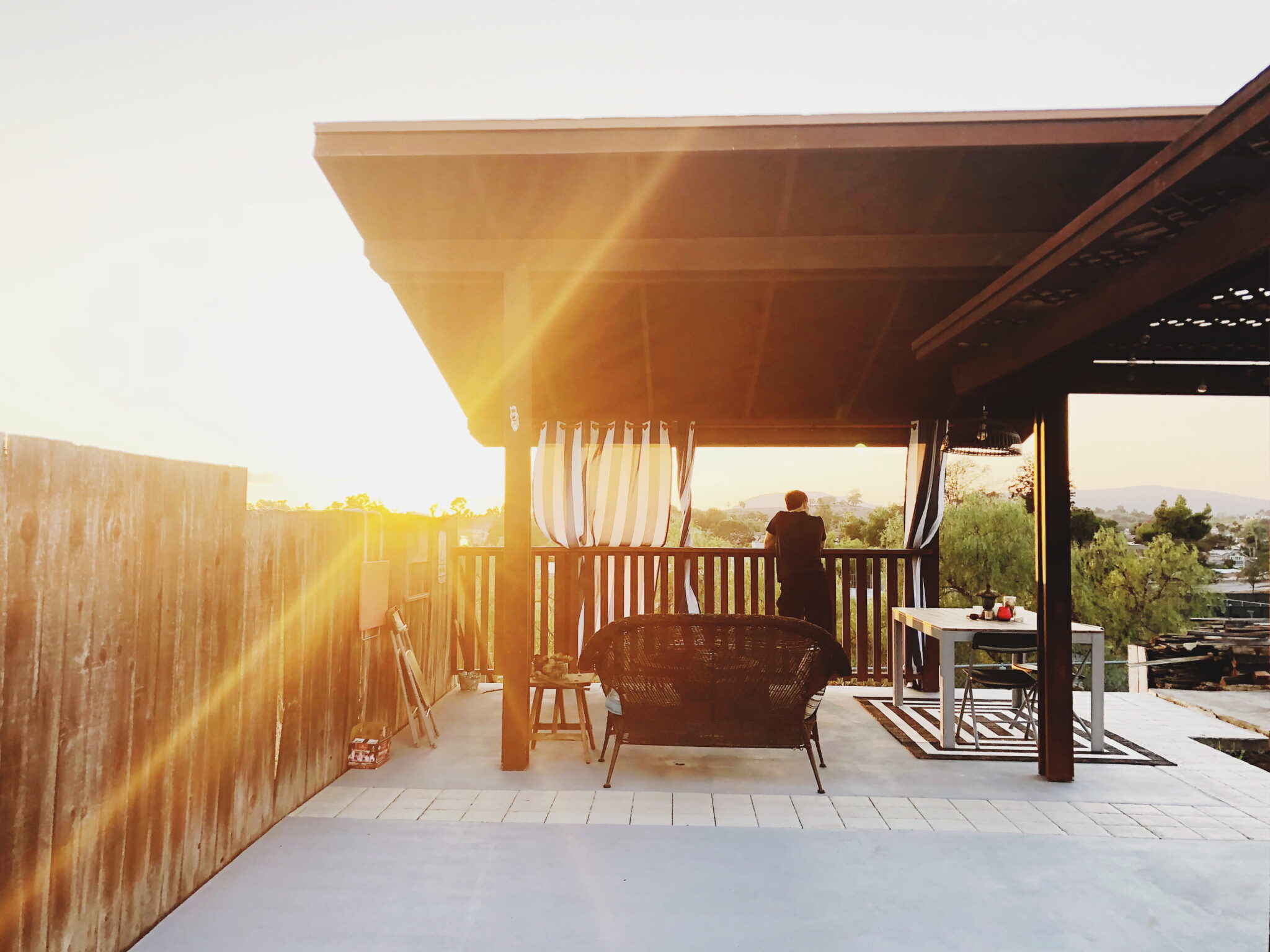
A mismatched addition can make your house look disjointed. You notice it every time you pull into the driveway, and so will others. That’s not the feeling you want after investing in a home addition.
You also need space that functions for your family and handles our rainy climate. A well-built project lets you stay in the neighborhood you love while getting the room you need. It makes your home work better without starting over.
We’re eager to chat! Drop us a line for all your exterior needs.
Visit Us
Call Us
Email Us
Working Hours
Let us know how we can assist you! Fill out the form, and we’ll respond within 24 hours.
| Home Additions Silver Valley Addition Structure Type | Economy Finish Prices | Standard Finish Prices | Premium Finish Prices | Luxury Custom Prices |
|---|---|---|---|---|
| Standard Home Additions | CAD 65,000 – CAD 115,000 | CAD 110,000 – CAD 185,000 | CAD 175,000 – CAD 280,000 | CAD 260,000 – CAD 420,000 |
| Bump-Out Additions | CAD 30,000 – CAD 60,000 | CAD 55,000 – CAD 95,000 | CAD 85,000 – CAD 140,000 | CAD 130,000 – CAD 210,000 |
| Partial Second-Storey Additions | CAD 120,000 – CAD 195,000 | CAD 180,000 – CAD 285,000 | CAD 270,000 – CAD 395,000 | CAD 380,000 – CAD 560,000 |
| Full Second-Storey Additions | CAD 220,000 – CAD 340,000 | CAD 320,000 – CAD 480,000 | CAD 450,000 – CAD 660,000 | CAD 620,000 – CAD 920,000 |
| Two-Storey Additions | CAD 250,000 – CAD 380,000 | CAD 360,000 – CAD 540,000 | CAD 500,000 – CAD 740,000 | CAD 690,000 – CAD 1,050,000 |
Cohesive Home Additions
Adding space shouldn’t ruin your home’s outer charm. A good addition blends the new part with the original exterior so the whole property looks planned, not thrown together. The challenge isn’t just more space—it’s doing it without a visible seam.
We match siding styles, window designs, and trim details to the exact color. The result is a clean, unified look that improves curb appeal instead of hurting it. Our approach to home additions in Vancouver sees every exterior surface as part of a single design, not an afterthought.
In Silver Valley, wet winters and heavy rain make exterior harmony a matter of durability, not just style. A mismatched addition doesn’t just look odd—it allows moisture in where the new meets the old, causing rot and mold long before you notice.
Homes here often sit on large lots with space to build out, but the wet weather requires weatherproofing from the start. We flash every joint, use moisture-resistant siding, and make sure windows and doors are sealed tight, so your Silver Valley addition lasts year after year.
Weather-Resistant Exterior Assembly
In Silver Valley, the exterior of a home addition starts with a weather-resistant barrier installed in a shingle pattern over the sheathing. We then add a rain screen made of vertical strapping to create a drainage gap behind the siding. This setup allows moisture that gets past the cladding to drain and evaporate, keeping the wall cavity dry during wet weather.
For siding, we use fiber cement lap or panel products that resist rot better than wood in Silver Valley’s damp climate. We match the existing profile and reveal, then fasten with stainless steel nails to prevent rust streaks. At corners, windows, and where the new addition meets the old structure, we layer flashing tapes and metal drip edges to direct water away.
Windows and exterior doors in the addition have fully flashed openings with a sill pan that slopes to the outside. We seal the perimeter with a self-adhered membrane that bonds to the sheathing, then integrate the nailing flange with the water-resistive barrier. This method stops leaks where window frames meet the wall.
The building envelope for a Silver Valley addition uses a drained and ventilated cladding system. Behind the siding, a vertical air gap prevents water from being drawn into the wall and allows gravity to drain any water that gets through the outer layer. This gap also helps air move, which speeds up drying after rain.
At the point where the original house meets the addition, we install a two-stage joint. A backer rod and exterior sealant keep large amounts of water out, while a continuous water-resistive barrier underneath provides a second drainage layer. This detail allows for movement without cracking the seal.
Flashing at the base of the wall directs water away from the foundation, and head flashings above windows and doors help shed water past the openings. Every exterior penetration has a custom pan or boot that works with the drainage system. These layered defenses ensure the wall assembly handles moisture during Silver Valley’s long wet periods.
Building Permits for Additions
Any home addition in Silver Valley that adds over 100 square feet of enclosed space needs a building permit from the City of Maple Ridge before work starts. Your application must include scaled site plans, floor plans, elevations, and cross‑sections that show setbacks and zoning compliance. This includes structural work, foundation changes, and major remodeling related to the addition.
For home additions to single-family houses in Silver Valley, Maple Ridge requires compliance with Zoning Bylaw No. 3510‑1985. This includes limits on height, setbacks, and total lot coverage. If your property is in the Agricultural Land Reserve, you may need approval from the Agricultural Land Commission first. Floodplain sites require a restrictive covenant, and sloping properties need a geotechnical landslide assessment from a professional engineer.
Exterior construction noise for home additions is allowed only between 7:00 a.m. and 9:00 p.m., Monday to Saturday, according to Noise Control Bylaw No. 5122‑1994. Work is not allowed on Sundays and statutory holidays unless you get special written permission. Your contractor should schedule framing, demolition, and exterior cladding within these hours.

